Embroidery Signature Font Review: A Delicate Script for Branding
I was halfway through a brand identity refresh for a boutique skincare line last Tuesday when I hit that familiar wall. The client wanted something that felt handmade and intimate but still carried enough weight to sit comfortably on premium packaging. I had tested three different sans serif options and two stiff serifs, but nothing captured the "delicate" vibe they were chasing. That's when I pulled Embroidery Signature from my library. As soon as I typed the brand name into the logo draft, the mood shifted instantly. This isn't just another script; it's a typeface that feels like it was written with intention, offering a flowing, elegant rhythm that immediately elevated the entire brand board.
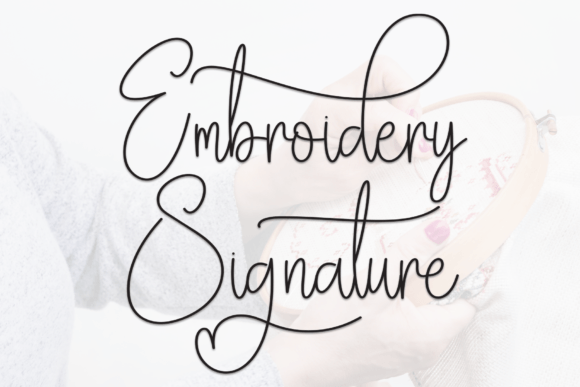
Visually, Embroidery Signature lives up to its name. It mimics the fluidity of a fine-tip pen gliding across textured paper, with varying stroke widths that suggest pressure and movement without looking messy. The characters are well-balanced, avoiding the common pitfall where script fonts become illegible due to excessive flourishes or tight kerning. In my testing, I found it works exceptionally well as a display font or a primary logo mark. When I placed it on the product label mockup, the letters didn't just sit on the surface; they felt integrated into the design, adding a layer of sophistication that a standard handwritten font often misses.
Real-World Performance in Logo and Packaging Design
The true test of any premium font is how it holds up outside of a digital screen. For this skincare project, I needed the typography to work on small jar lids and large shopping bags alike. Embroidery Signature surprised me with its versatility. At larger sizes, such as on the homepage hero section or a storefront sign, the delicate loops and swashes shine, creating an inviting and luxurious first impression. The flow between letters creates a natural ligature effect that makes the brand name feel like a single, cohesive signature rather than a collection of typed characters.
However, readability is always the concern with script typefaces. I pushed the limits by shrinking the font size for ingredient lists and legal disclaimers on the back of the packaging. Here, I learned a valuable lesson: Embroidery Signature is not designed for long body text or tiny print. Its strength lies in short phrases, headlines, and logos. When used for paragraphs or small details, the intricate details begin to blur, especially on lower-quality print stocks. For this project, I paired it with a clean, geometric sans serif font for the informational text, which created a perfect visual hierarchy. The contrast between the organic flow of the script and the structured stability of the sans serif made the brand feel both approachable and professional.
Building a Cohesive Brand Identity
Beyond the logo, I tested Embroidery Signature across various design assets to ensure consistency. On social media graphics, specifically Instagram stories and Pinterest pins, the font added a personal touch that resonated with the target audience of handmade enthusiasts and wellness seekers. It stopped the scroll because it felt human in a feed full of generic templates. I also used it on business cards, embossing the name to highlight the texture of the strokes. The result was tactile and memorable, reinforcing the brand's promise of quality and care.
One of the standout features of this typeface from Script Amp is its adaptability to different industries. While it worked beautifully for skincare, I can easily envision it fitting a high-end bakery, a wedding planner's portfolio, or a creative studio's identity. The "delicate" nature of the font doesn't mean it's weak; rather, it conveys elegance and attention to detail. It suggests that the business owner cares about the finer points, which is a powerful message for luxury goods or service-based businesses.
Pairing Strategies and Technical Considerations
If you are planning to use Embroidery Signature in your next project, thoughtful font pairing is essential. Because this script has so much personality and movement, it needs a partner that grounds it. I recommend pairing it with a modern serif font for editorial designs like lookbooks or magazines, where you want to maintain a classic, high-fashion aesthetic. Alternatively, a minimalistic sans serif works best for web design and app interfaces where clarity is paramount. Avoid pairing it with other decorative or handwritten fonts, as this can create visual noise and confuse the viewer.
From a technical standpoint, before committing to this font for a client, always review the included styles and file formats. Check if the package includes alternates or swashes that allow you to customize the start and end of words for a more unique logo lockup. Many designers overlook this step, only to find later that they need a specific character variation that isn't available. Additionally, verify the multilingual support if your client operates globally. While Embroidery Signature covers standard Latin characters beautifully, ensuring it supports the necessary diacritics for your specific market is a crucial part of the workflow.
Limitations and Best Practices
It is important to be realistic about where this font should not be used. If you are designing for a corporate law firm, a tech startup dashboard, or any context requiring strict formality and high-density information, Embroidery Signature is likely not the right choice. Its casual, flowing nature clashes with rigid corporate identities. Furthermore, avoid using it for all-caps headlines; script fonts are designed to be read in lowercase or title case to preserve their natural rhythm and legibility.
Finally, a critical reminder for all freelancers and agency owners: always check the commercial font licensing before finalizing any client work. Whether you are creating a logo, printing merchandise, or building a website, understanding the license terms from Script Amp ensures you are protected. Some licenses cover desktop use but require an upgrade for webfonts or mass-produced goods. Taking the time to read the fine print prevents costly legal issues down the road and ensures your brand identity projects are built on a solid foundation.
In conclusion, Embroidery Signature is a tool that rewards creativity. It's not a magic fix for every design problem, but when applied to the right project—like a boutique identity or a lifestyle brand—it adds a layer of emotional connection that sterile fonts simply cannot achieve. By respecting its limitations and pairing it wisely, you can create branding that feels both timeless and deeply personal.